Skip to content
Uma with eyes closed and both hands resting over her heart

Modern life doesn’t just occupy your mind.
It settles into your scalp, jaw, neck, face and shoulders.

Introducing

ShiroSculpt

An Ayurveda-inspired, 30+ movement self-massage ritual created to release tension through the scalp, head, face, jaw, neck and shoulders.

Release the head.Lift the face.Quiet the mind.

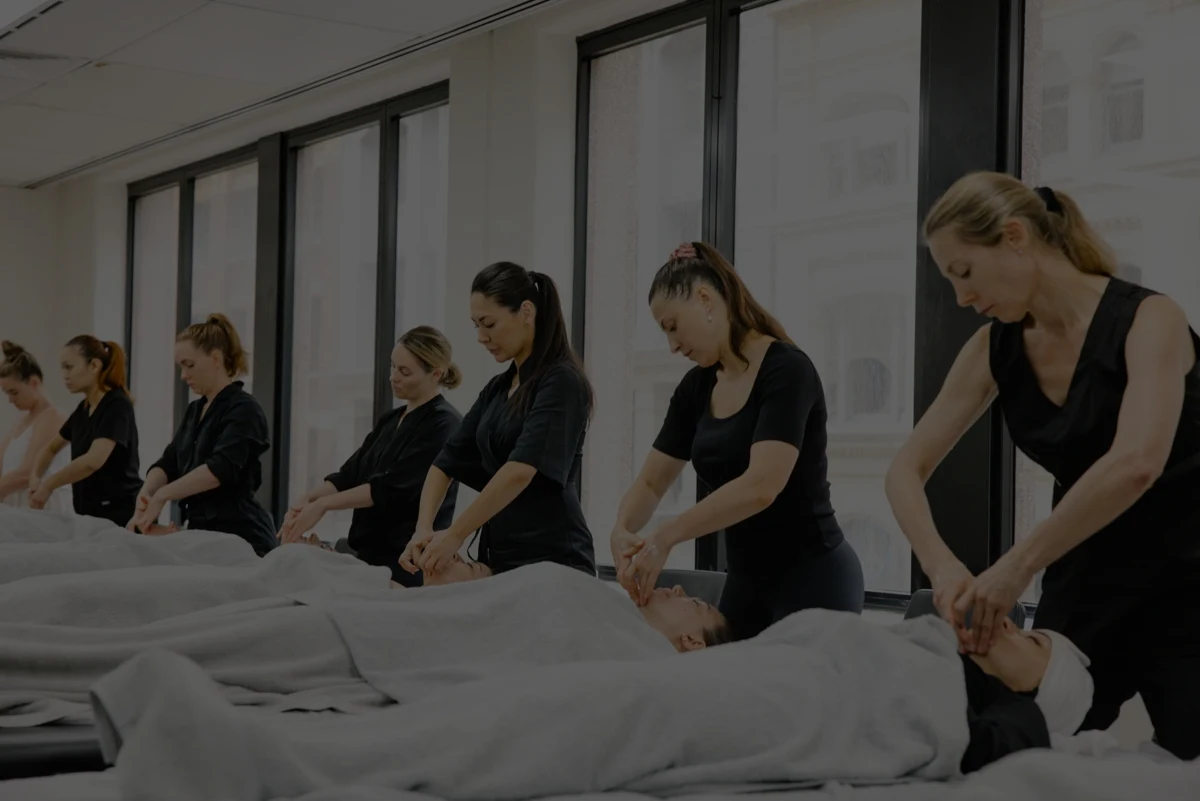
Participants at an academy training session

1,000+ women taught globally

Through Uma’s holistic beauty programs

No tools needed · Beginner-friendly · Practise anywhere

Is modern life leaving you
out of balance?

Uma pausing at her desk with a thoughtful, mentally tired expression and fingertips at her forehead
Uma holding her upper shoulder with a small incline of her head and an expression of tension
Uma looking thoughtfully at her hair part and scalp in a mirror
Uma seated by a window with a quiet, emotionally tired expression

The tension we carry

Mind

Uma pausing at her desk with a thoughtful, mentally tired expression and fingertips at her forehead

Your mind

  • Your mind feels constantly switched on
  • Your thoughts feel scattered or difficult to slow down
  • You are mentally exhausted but cannot relax
  • You struggle to transition from work into rest
  • You feel overstimulated by screens, information and responsibility
  • You wake during the night and start thinking immediately
Uma holding her upper shoulder with a small incline of her head and an expression of tension

Your body

  • Your neck and shoulders feel heavy from screens and sitting
  • Your head feels heavy or tightly held
  • You clench your jaw without realizing it
  • You carry tension around your temples, brows and eyes
  • Your face looks tired even when you have rested
  • You feel puffy or stagnant around the face and neck
Uma looking thoughtfully at her hair part and scalp in a mirror

Your hair and scalp

  • You are noticing increased shedding
  • Your hair feels thinner or less full
  • Your scalp feels tight, tender or immobile
  • Your hair quality has changed during perimenopause
  • You buy oils, shampoos and supplements but rarely work on the scalp itself
  • You are worried about maintaining hair vitality as you age
Uma seated by a window with a quiet, emotionally tired expression

Your emotional and hormonal experience

  • You feel low, flat or disconnected from yourself
  • Perimenopause has changed your sleep, mood and energy
  • Your nervous system feels less resilient than it once did
  • You do not always recognise the woman you see in the mirror
  • You need something that helps you come back into your body

These experiences may feel separate, but many of them meet in the same place: your shoulders, neck, jaw, scalp, face and nervous system.

Introducing
The ShiroSculpt Method™

A Complete Ritual for Everything
You Carry Above Your Shoulders

A complete self-massage ritual for releasing the tension modern women carry through the scalp, head, face, jaw, neck and shoulders.

ShiroSculpt uses rhythmic touch, breath, pressure and repetitive movement to help the body move out of constant alertness and into a calmer, more regulated state.

Ayurveda-inspired self-care, scalp mobilisation, muscular and fascial release, and gentle facial and neck lymphatic movements come together in one intentional practice.

The sequence gives your attention a physical place to settle. As you follow the rhythm of your hands and breath, you can notice the areas you habitually hold, soften your effort and create a more conscious transition from doing into rest.

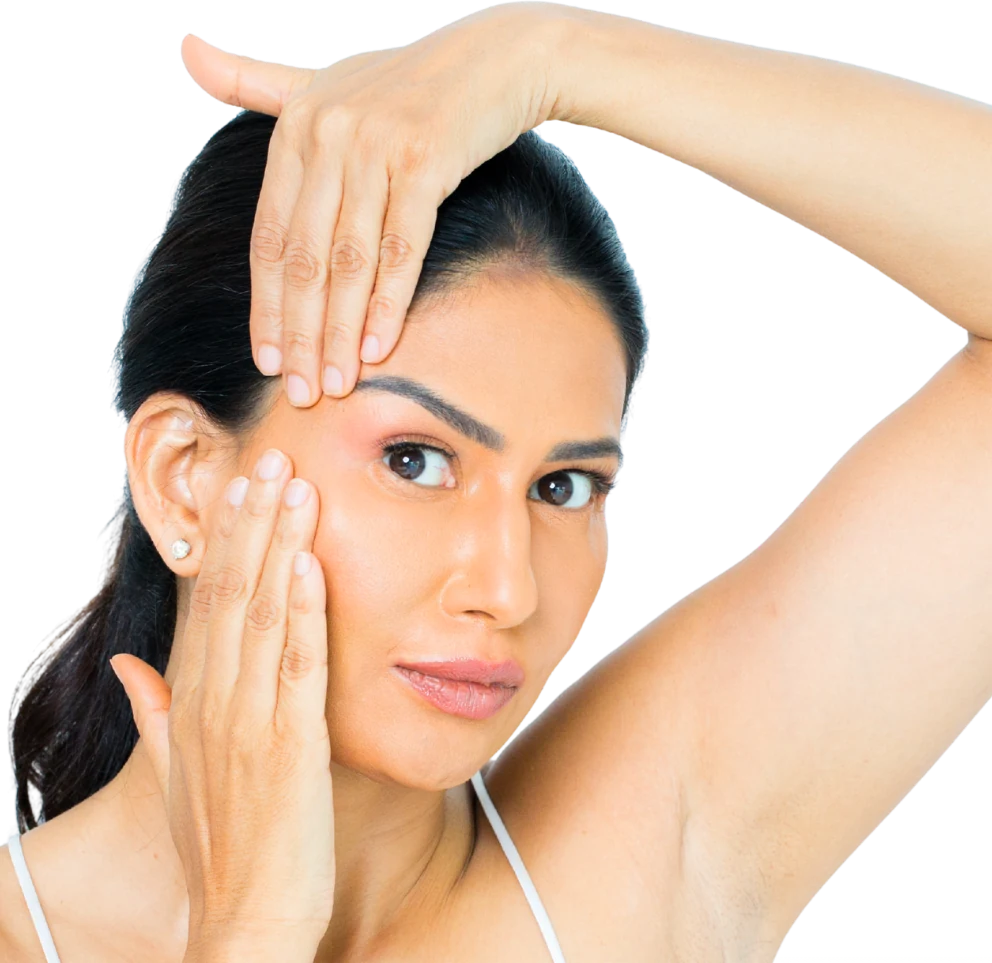
Uma practising a face massage movement, one hand drawing along her cheek and the other resting across her brow

Rhythmic touch.
Conscious breath.
A calmer state.

30+ intentional movements.
One complete, anatomically informed practice.

ShiroSculpt follows the connected anatomy of the upper body, beginning at the chest and shoulders before moving through the neck, scalp, face and jaw. Each movement combines considered pressure, rhythm, touch and breath.

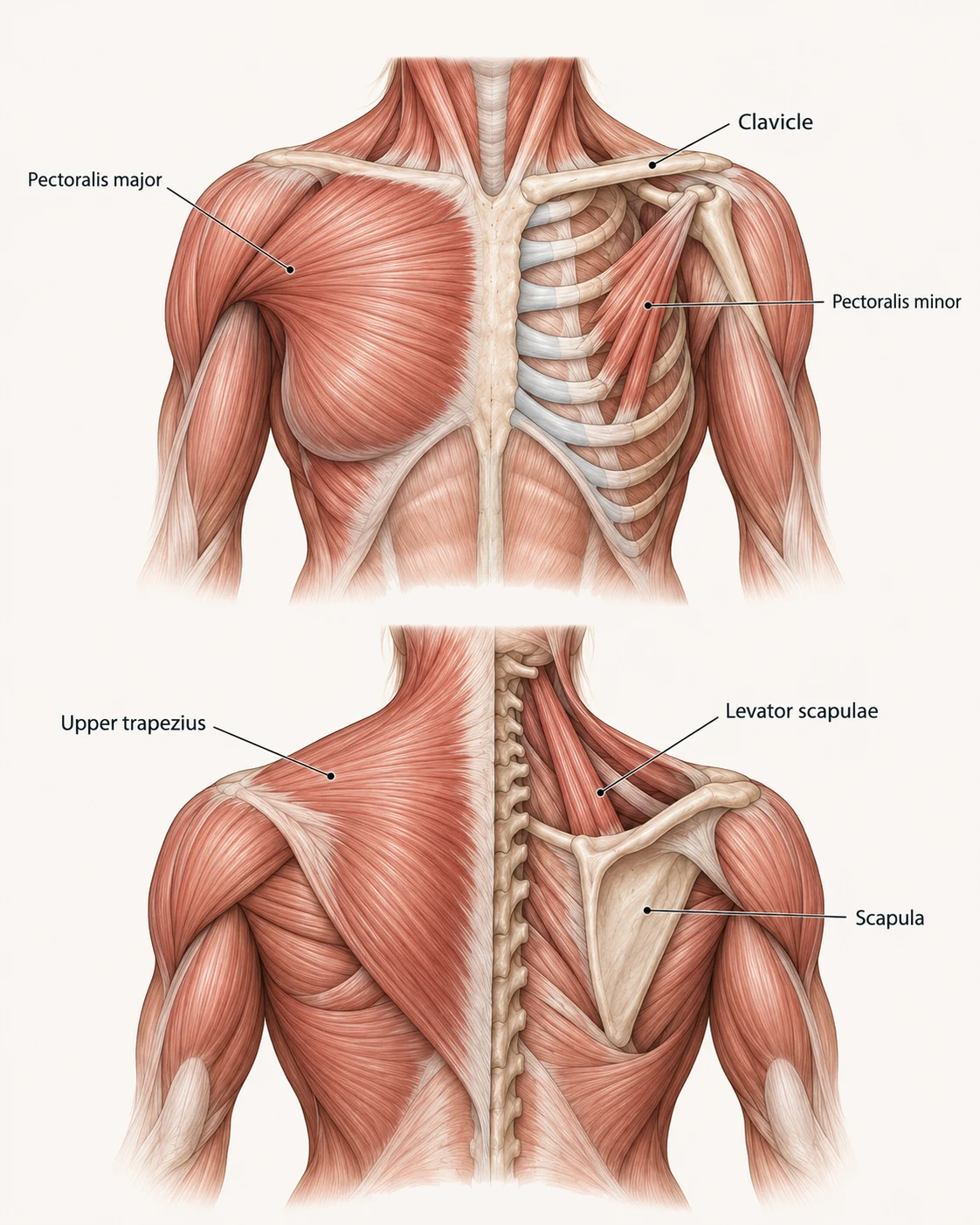
Anatomical diagram of the chest and shoulders, anterior and posterior views, labelling the pectoralis major and minor, clavicle, upper trapezius, levator scapulae and scapula
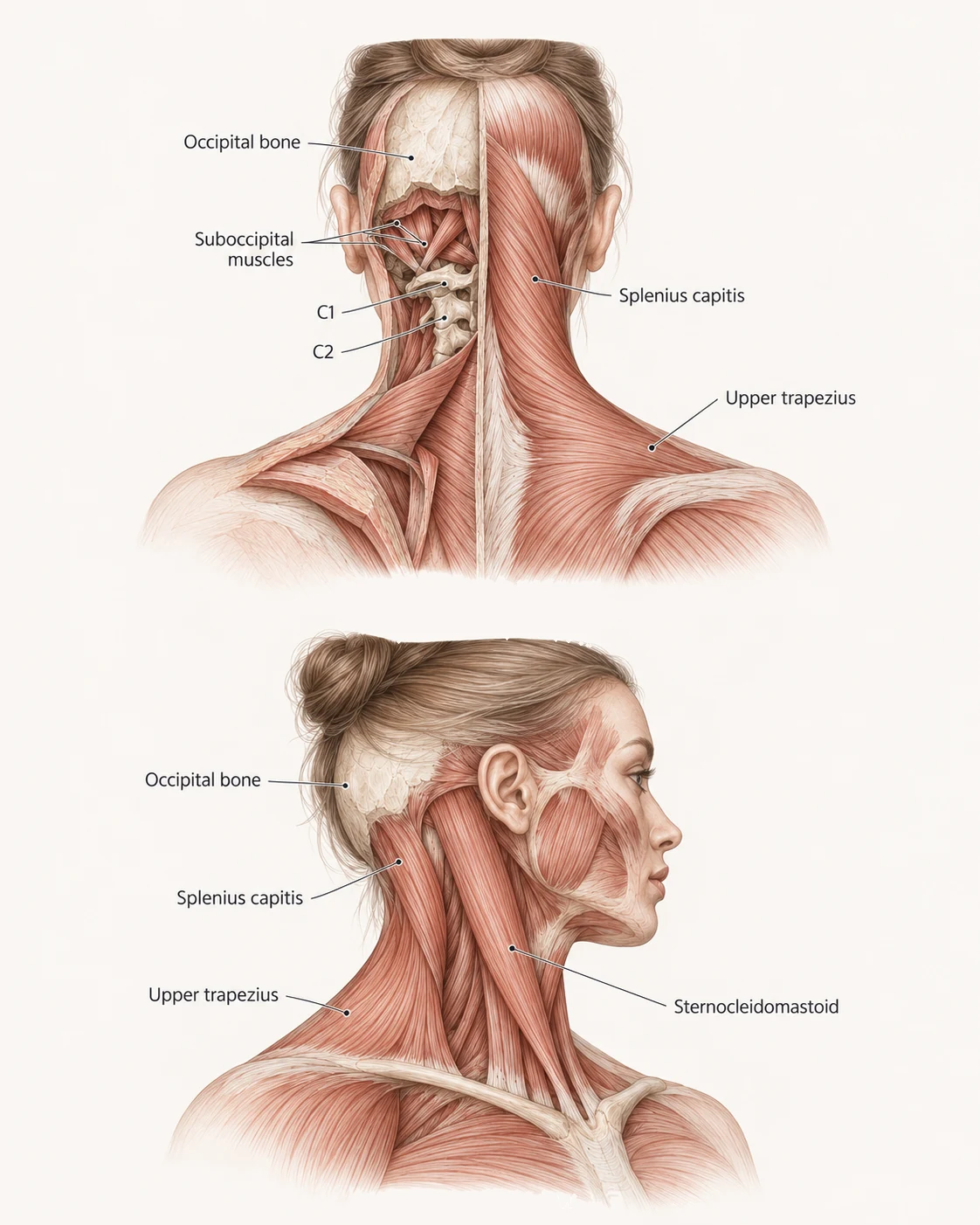
Anatomical diagram of the neck and occipital region, labelling the occipital bone, suboccipital muscles, C1 and C2, splenius capitis, upper trapezius and sternocleidomastoid
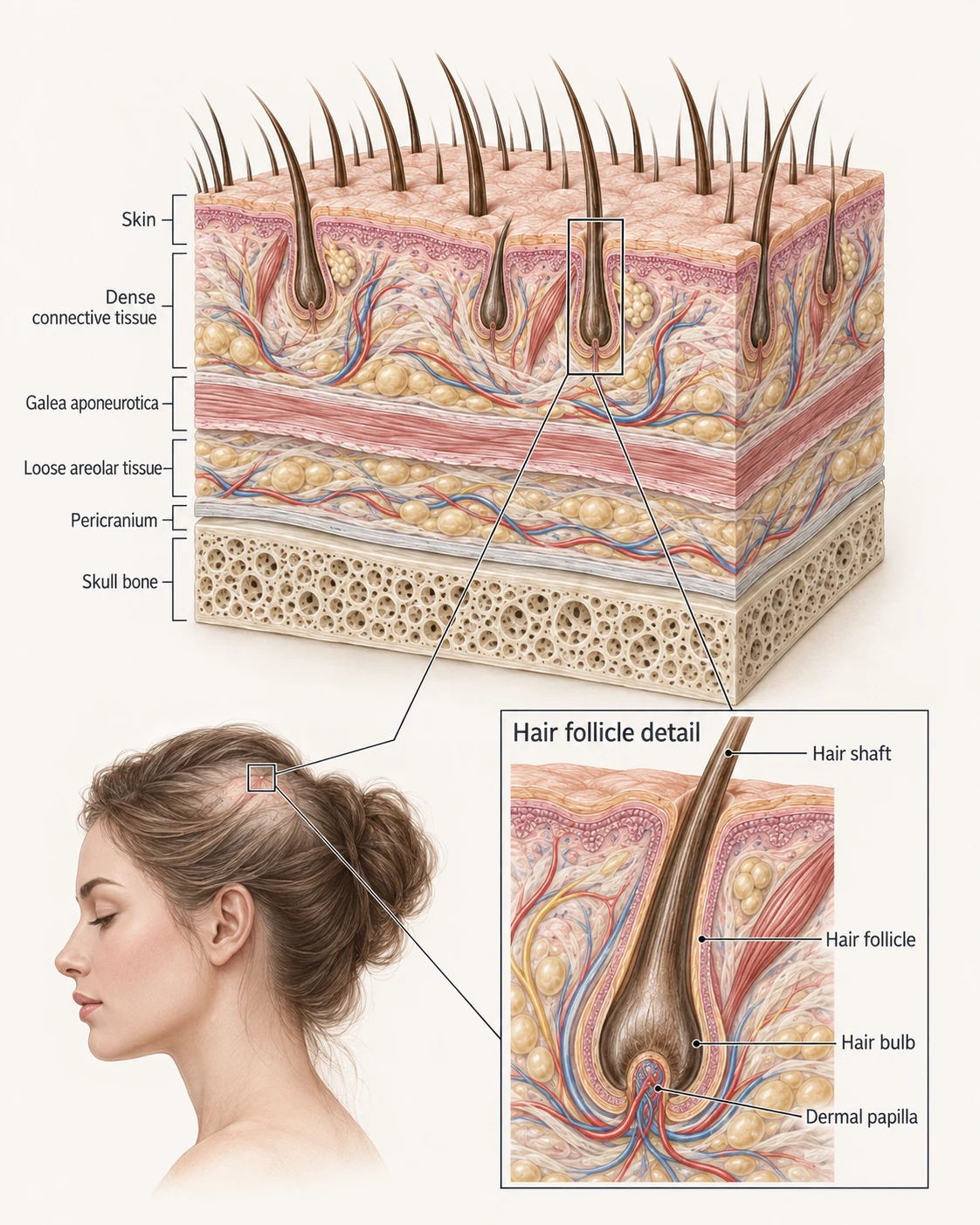
Anatomical diagram of the scalp layers, labelling skin, dense connective tissue, galea aponeurotica, loose areolar tissue, pericranium and skull bone, with a hair follicle detail
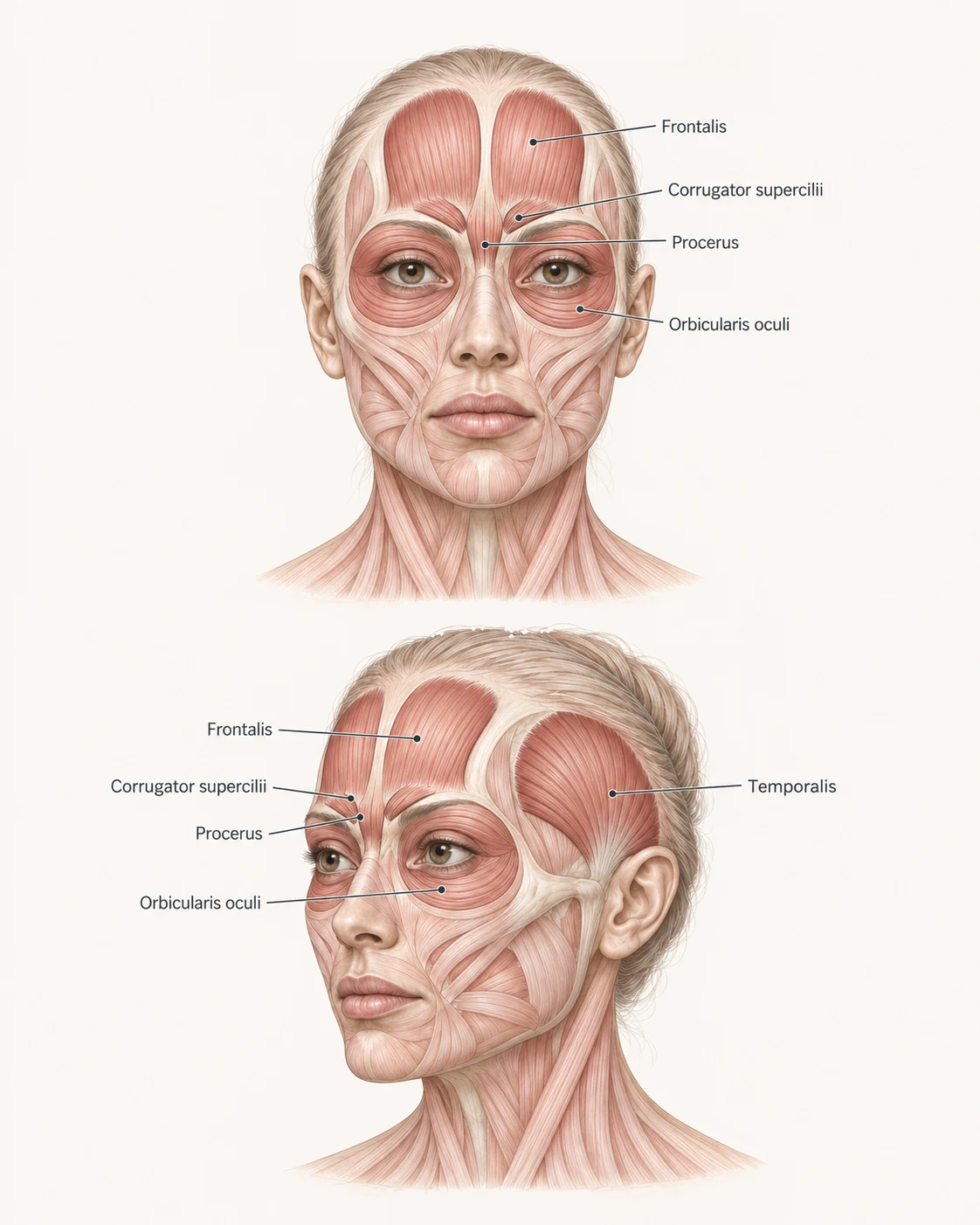
Anatomical diagram of the face, eyes and temples, labelling the frontalis, corrugator supercilii, procerus, orbicularis oculi and temporalis
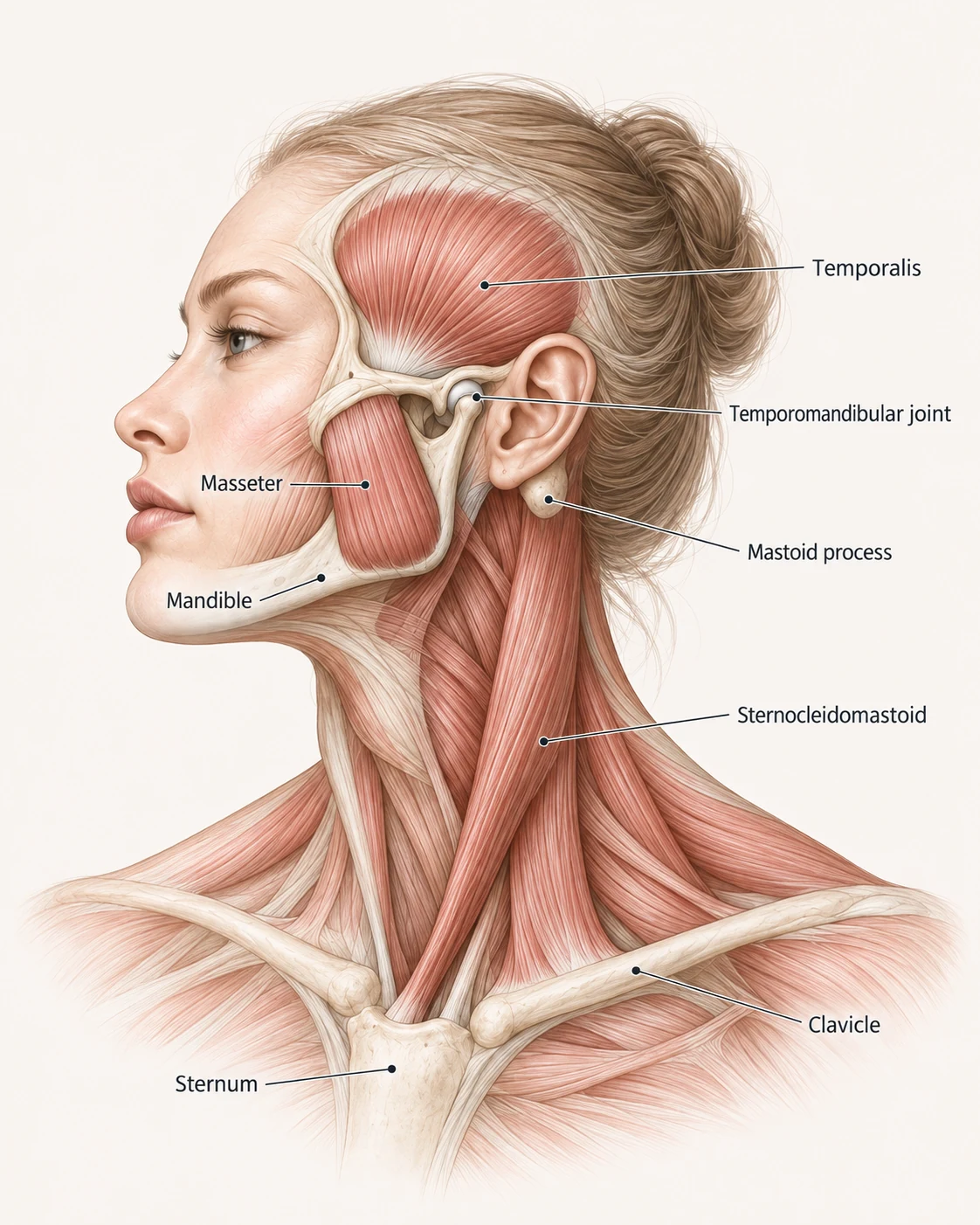
Anatomical diagram of the jaw and the side of the neck, labelling the temporalis, masseter, mandible, temporomandibular joint, mastoid process, sternocleidomastoid, clavicle and sternum
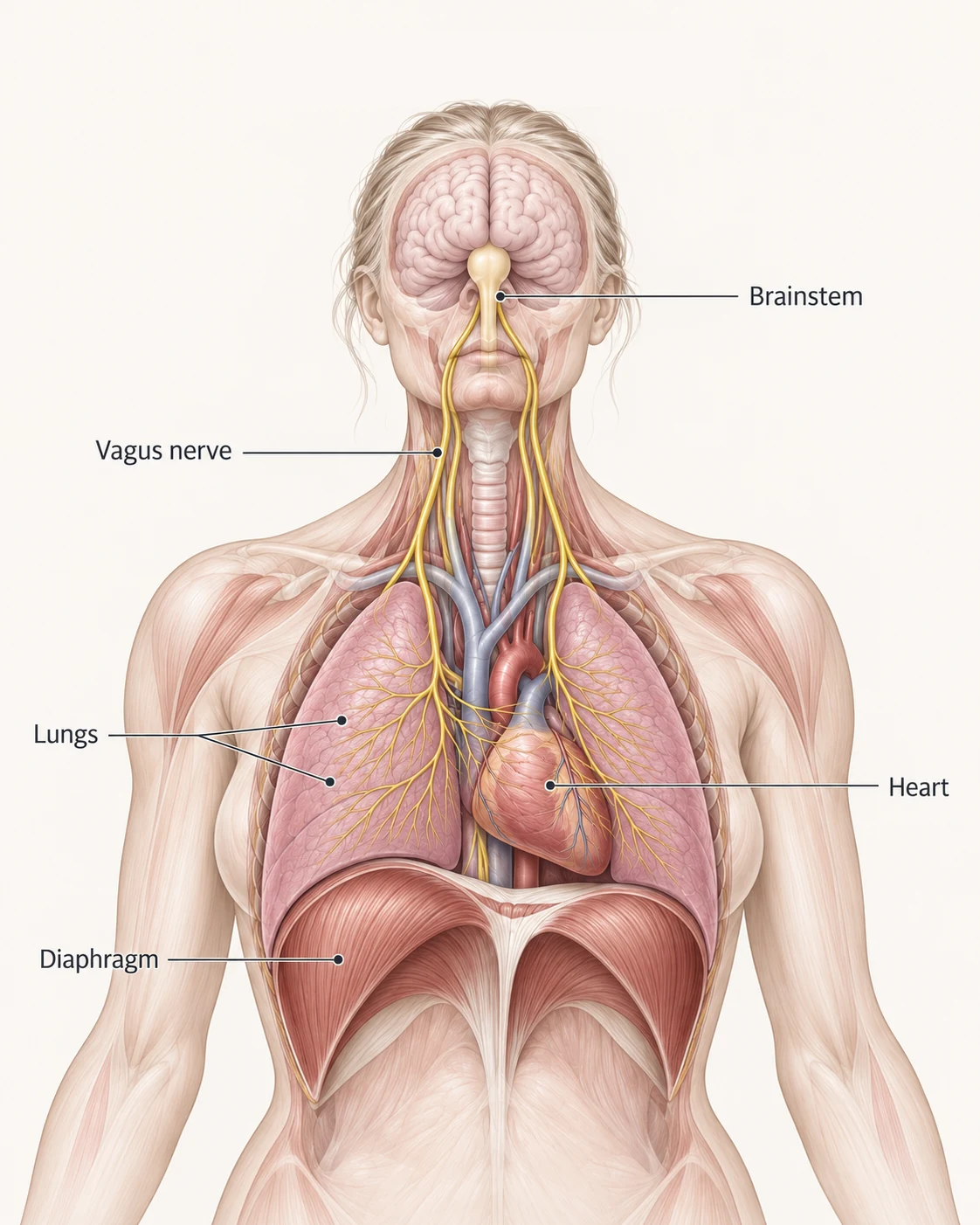
Anatomical diagram of the breathing and vagal pathway, labelling the brainstem, vagus nerve, lungs, heart and diaphragm

30+ guided movements.
One flowing ritual.

Anatomical diagram of the chest and shoulders, anterior and posterior views, labelling the pectoralis major and minor, clavicle, upper trapezius, levator scapulae and scapula

Chest and shoulders

Chest release and shoulder opening

Begin through the chest, shoulders and upper body. Learn how pressure, breath and rhythmic touch can be combined to ease the sense of restriction created by prolonged sitting, screen use and everyday stress.

The anatomy behind the movement

This section works around the pectoral muscles, upper trapezius, clavicle and shoulder girdle, the structures that help position and stabilise the shoulders and upper body. Massage research suggests that working with these tissues may provide short-term improvements in neck and shoulder comfort.

Anatomical diagram of the neck and occipital region, labelling the occipital bone, suboccipital muscles, C1 and C2, splenius capitis, upper trapezius and sternocleidomastoid

Neck and occipital region

Neck and occipital release

Work through the back and sides of the neck and around the base of the skull. Learn careful hand placement, direction and gentle pressure for areas that often feel heavy, shortened or tightly held.

The anatomy behind the movement

The sternocleidomastoid, upper trapezius, splenius muscles and small suboccipital muscles all contribute to supporting and positioning the head. Gentle manual work around these tissues may help reduce the perception of muscular tension and support more comfortable neck movement.

Anatomical diagram of the scalp layers, labelling skin, dense connective tissue, galea aponeurotica, loose areolar tissue, pericranium and skull bone, with a hair follicle detail

Scalp and hair-supportive tissues

Scalp mobilisation and tapping

Work beneath the hair with mobilisation, lifting and rhythmic tapping movements. Develop awareness of scalp mobility and learn the important difference between moving the scalp tissues and simply rubbing across the hair.

The anatomy behind the movement

The scalp is a layered structure made up of skin, connective tissue, the galea aponeurotica, loose areolar tissue and the pericranium. Mobilisation creates movement through these connected layers. Early research suggests that consistent mechanical stimulation of the scalp may support hair-shaft thickness. It is not a treatment for hair loss, and it is not a guaranteed solution.

Anatomical diagram of the face, eyes and temples, labelling the frontalis, corrugator supercilii, procerus, orbicularis oculi and temporalis

Face, eyes and temples

Facial and temple release

Move through the forehead, brows, eye area and temples using considered pressure and rhythm. Bring awareness to the places that become active during concentration, facial expression, screen use and stress.

The anatomy behind the movement

This section works around the frontalis, corrugator supercilii, orbicularis oculi and temporalis muscles. Gentle facial massage has been shown to temporarily increase local skin blood flow, while slow, repetitive touch may help soften habitual facial holding and create a greater sense of relaxation.

Anatomical diagram of the jaw and the side of the neck, labelling the temporalis, masseter, mandible, temporomandibular joint, mastoid process, sternocleidomastoid, clavicle and sternum

Jaw and sides of the neck

Jaw and SCM release

Learn to recognise held tension around the jaw and along the sternocleidomastoid muscles at the sides of the neck. Follow guided hand positions and carefully controlled pressure without pulling or forcing the tissues.

The anatomy behind the movement

The masseter and temporalis are powerful muscles of chewing, while the sternocleidomastoid helps turn, incline and stabilise the head. Research into gentle manual therapy around the jaw suggests potential short-term improvements in muscular discomfort, jaw mobility and pressure sensitivity.

Anatomical diagram of the breathing and vagal pathway, labelling the brainstem, vagus nerve, lungs, heart and diaphragm

Breath and stillness

Closing integration

Complete the sequence with breath and stillness, a moment to settle, reconnect with your body and notice how your head, face, jaw and shoulders feel after the complete ritual.

The science behind the pause

Slow, controlled breathing influences the relationship between respiration and heart rhythm. Research associates it with increased heart-rate variability and greater parasympathetic regulation, the physiological state connected with rest, recovery and emotional settling. The final pause also allows you to notice changes in sensation, ease and movement.

The complete 30+ movement sequence, guided from opening to integration.

Uma with her hands resting over her heart

The ShiroSculpt Method™ combines

  • Ayurveda-inspired self-care
  • Scalp mobilisation
  • Muscular and fascial release
  • Gentle facial and neck lymphatic movements
  • Rhythmic touch
  • Breath and nervous-system settling

30+ intentional movements

PREPARATION FOR THE RITUAL

Lymphatic support

Uma resting both hands across her collarbone and upper chest

The ShiroSculpt Method includes gentle facial, neck, occipital and collarbone movements designed to encourage superficial lymphatic flow and ease the feeling of puffiness and stagnation.

The lymphatic opening gives you a gentle way to begin the 30+-movement ritual. Light touch and a slower rhythm create a moment of care for days when you notice:

  • Puffiness
  • A feeling of stagnation
  • Facial heaviness
  • Held tension
  • A need to slow down

Begin with gentle movement and awareness, then move into the complete practice.

INSIDE THE SHIROSCULPT CLASS

What you will learn

Uma taking a quiet moment at home
  • Understanding modern head overload
  • Pressure, rhythm and safe self-touch
  • ShiroSculpt lymphatic opening
  • Chest, shoulder and tech-neck release
  • Neck and occipital release
  • Scalp mobilisation, tapping movements and hair vitality
  • Temples, brows, eyes and forehead
  • Jaw and SCM release
  • The complete 30+ movement sequence and closing integration
  • Short rituals for sleep, stress, screens, hair and hormonal transitions
  • How to build ShiroSculpt into daily life

The ShiroSculpt Method
Includes:

Uma with both hands spread through the scalp at her crown, looking to camera in morning light

3-Minute Morning Scalp Awakening

Uma in profile with her head tilted back and one hand working the top of her shoulder

5-Minute Tech-Neck Release

Uma with one hand at her temple and the other along her jawline

5-Minute Jaw and Temple Release

Uma seen from behind, lifting the length of her hair away from the nape of her neck

7-Minute Hair and Scalp Vitality Ritual

Uma resting her fingertips at both temples with her hands drawn into the hairline

7-Minute Overactive-Mind Reset

Uma drawing her fingertips gently beneath the eye and along the cheek

10-Minute Evening Unwind

Uma with her fingers resting softly over the top of her head, shoulders relaxed

Pre-Sleep ShiroSculpt Ritual

Uma with both arms raised and her hands meeting over the crown of her head

Full 30+-Movement ShiroSculpt Practice

Uma with her head inclined, drawing both hands down the side of her neck

Perimenopause Grounding Ritual

Uma resting one hand across her collarbone and the other on her shoulder

Low-Energy, Emotionally Heavy-Day Ritual

How can ShiroSculpt
help me?

A woman pausing from her laptop at a quiet home desk

For the always-on mind

Rhythmic, repetitive touch gives the mind a single point of focus. It creates a physical transition away from screen stimulation, mental noise and constant doing.

ShiroSculpt becomes a ritual for the woman who says:

“My body is tired, but my mind is still running.”

A woman taking a quiet breath with a hand over her heart

For stress and emotional heaviness

The method offers a structured way to slow down, breathe and reconnect with the body when you feel overwhelmed, flat or disconnected.

ShiroSculpt becomes a ritual for the woman who says:

“I feel overwhelmed, and I need a moment to come back to myself.”

A woman resting on an ivory linen pillow

For sleep disruption

ShiroSculpt is a pre-sleep transition ritual.

It helps release jaw, brow, neck and scalp tension and signals that the active part of the day is finished. It gives women something intentional to do instead of scrolling while waiting to feel sleepy.

ShiroSculpt becomes a ritual for the woman who says:

“I’m ready for bed, but I don’t know how to switch off.”

A woman taking a gentle neck and shoulder break from her laptop

For tech neck and physical heaviness

The shoulder, neck, occipital and SCM work addresses the areas that feel overworked after long hours of looking down at phones and computers.

The promise is:

  • Less held tension
  • Greater body awareness
  • A lighter feeling through the head and shoulders
  • A more conscious relationship with posture

ShiroSculpt becomes a ritual for the woman who says:

“By the end of the day, my neck and shoulders feel so heavy.”

A woman looking at her hair part and scalp in a mirror

For hair fall and thinning

ShiroSculpt teaches women to work on the scalp beneath the hair rather than simply applying products to the strands.

It supports:

  • Scalp mobility
  • Mechanical stimulation
  • Scalp warmth and circulation
  • More intentional oil application
  • Hair thickness and vitality
  • Awareness of scalp changes

ShiroSculpt becomes a ritual for the woman who says:

“My hair is changing, and I want to know how to care for the scalp beneath it.”

A woman with silver-streaked hair holding a warm cup by a window

For perimenopause and menopause

ShiroSculpt was created for the season when your sleep, hair, mood, face and nervous system can all begin to feel different at once.

The ritual gives women a way to support themselves through:

  • Changes in sleep
  • Hair thinning and increased shedding
  • Jaw and facial tension
  • Mental overload
  • Emotional sensitivity
  • Feeling disconnected from themselves
  • A greater need for grounding and recovery

ShiroSculpt becomes a ritual for the woman who says:

“My sleep, hair and mood are changing. I want to feel like myself again.”

FROM OVERLOAD TO RELEASE

What you can feel. What consistency supports.

Uma with eyes softly closed, a gentle smile and relaxed shoulders after a self-care pause

After one ritual

  • A softer jaw
  • A calmer head
  • Relaxed temples and brows
  • Less heaviness through the shoulders
  • A scalp that feels warmer and more mobile
  • A softer, more rested facial expression
  • A feeling of returning to herself
  • A lighter head
  • Less heaviness through the neck
  • A calmer, more grounded feeling
Uma smiling gently as she incorporates scalp care into her morning routine

With regular practice

  • A dependable way to release daily tension
  • Better scalp awareness and mobility
  • Support for hair thickness and vitality, with a fuller, healthier look
  • Greater awareness of jaw clenching and posture
  • A stronger evening wind-down ritual
  • More conscious sleep preparation and a calmer transition into sleep
  • Better connection between emotional stress and physical tension
  • A self-care practice that does not depend on appointments, devices or products
  • A consistent stress-release ritual
  • Greater awareness of jaw and facial tension
  • Deeper connection with the body
Uma seated on white steps
Uma outdoors beneath palm leaves

Uma Ghosh

MEET THE WOMAN BEHIND THE METHOD

Learn from Uma.
Discover the power
of your own hands.

Entrepreneur · Educator · Global Holistic Beauty Mentor

Uma has taught more than 1,000 women through her holistic beauty programs globally.

Uma Ghosh’s pro-age philosophy brings together holistic beauty, wellbeing, mindset and ritual. At its heart is the belief that our own hands are still one of our greatest self-care tools.

She created ShiroSculpt for everything modern women are carrying above their shoulders: mental overload, sleep disruption, scalp and hair changes, jaw clenching, tech-neck tension and emotional heaviness.

Her Ayurveda-inspired approach teaches pressure, rhythm, direction and sequence, so you can learn to care for yourself with intention and confidence.

FEEL CONFIDENT BEFORE YOU BEGIN

Your questions, answered.

Uma seated on white steps
Is this suitable for beginners?

Yes. This is a guided self-massage class, with attention to hand placement, pressure, rhythm and sequence. You do not need previous massage experience.

How much time will I need?

Short rituals run from around 3 to 10 minutes, and there is a full flowing practice and a pre-sleep ritual for the days you have longer. You can begin with 3 minutes a day.

Do I need oil?

No. Your hands are the foundation of ShiroSculpt and no product is required. The class includes scalp and hair-care guidance covering both dry practice and working with oil, so you can choose what suits your hair that day.

Can I practise without washing my hair?

Yes. You do not need to wash your hair first, and the class covers dry practice as well as working with oil. The ritual is built to fit around your day rather than the other way round.

Is it suitable for hair thinning?

The class focuses on scalp awareness, mobility and consistent care. Research into scalp massage is encouraging but limited; ShiroSculpt does not promise to reverse genetic, hormonal or medical hair loss. Have new or concerning hair changes assessed by a qualified healthcare professional.

Can I practise with extensions?

It depends on the type of extensions and how they are attached. The scalp mobilisation and tapping movements may need adapting, and not every movement will suit every person. If you are unsure, check with whoever fitted them before you begin.

What if I have a sensitive scalp?

Let comfort set your pressure. ShiroSculpt teaches pressure, rhythm and hand placement rather than force, so you can work as lightly as you need to. Stop if a movement feels painful, and speak with a healthcare professional if you have a scalp condition.

When should scalp massage be avoided?

If you have a medical concern or are unsure whether massage is appropriate, speak with a healthcare professional before starting. Stop if a movement feels painful. Suitability guidance will be included in the class.

How quickly will I learn the sequence?

The class introduces the foundations and connected phases before bringing them into the full ritual. You can become familiar with the practice gradually; there is no need to memorise everything at once.

Can men practise ShiroSculpt?

Yes. The method is suitable for anyone wanting to care for their scalp, release head and neck tension and build a calming self-massage ritual.

Do I need tools or expensive products?

Your hands are the foundation of ShiroSculpt. No device or specialist tool is required.

What does “Join the Waitlist” mean?

It means joining the launch waitlist to hear when ShiroSculpt opens. It does not enrol you in a paid class or require a purchase. Class availability, price and access details will be shared at launch.

Uma with her hands resting over her heart

Release what
you’re carrying.

THE SHIROSCULPT METHOD™

Your hands already
hold the power.
Learn how to use them.

You cannot remove every demand from your life. But you can learn how to stop carrying all of it in your head, face and shoulders.

The ShiroSculpt Method™ gives you a ritual for the days when your mind will not stop, your body feels heavy, your hair is changing and you need to come back to yourself.